

What Is an Impacted Tooth
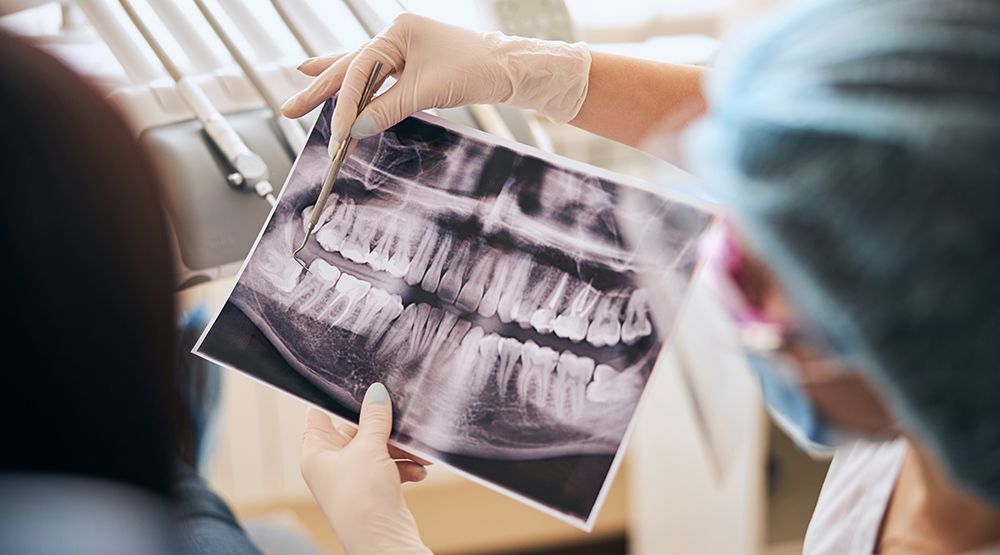
When a tooth fails to fully break through the gum, it’s known as an impacted tooth. These teeth can be stuck just below the surface or deep within the jawbone. Impacted wisdom teeth and canines are the most common, but sometimes the front teeth, like central and lateral incisors, can also be impacted.
Types of Impacted Teeth
- Partially Impacted: The tooth is partially visible, but it hasn’t emerged completely from the gum.
- Fully Impacted: The tooth remains entirely below the gum line, either within the gum tissue or buried in the jawbone.
Impacted teeth can occur individually or in pairs, and they can affect both baby teeth and adult teeth.
Causes of Impacted Teeth
While the exact reasons for tooth impaction aren't fully understood, dental experts believe several factors might be at play.
- Crowded Jaw. A narrow jaw may not have enough space to accommodate all the teeth, leading to impaction.
- Misaligned Tooth Bud. If a tooth starts developing in an unusual position, it might not emerge properly. This is particularly common with canines and wisdom teeth.
- Premature Loss of Baby Teeth. Losing a baby tooth too early, especially more than two years before it's naturally replaced, can create space issues that lead to impaction.
- Tooth Root Fusion. Sometimes, an impacted tooth can fuse with the root of a neighboring tooth, making it difficult for it to emerge.
- Deep Tooth Development. If a tooth begins forming too deep in the jaw, it might not have the strength or direction to break through the gum.
- Failure of Baby Teeth to Dissolve. Normally, the roots of baby teeth dissolve to make room for permanent teeth. If this process is disrupted, impaction can occur.
- Childhood Jaw Injuries. Trauma to the jaw during early years can disrupt the normal eruption of teeth, increasing the likelihood of impaction.
How to Recognize an Impacted Tooth
Impacted teeth are often discovered by accident during routine dental X-rays or CT scans. Typically, these cases are managed by an orthodontist or an oral surgeon.
If you notice unusual gaps between your teeth, a sudden shift in your bite, or if baby teeth are hanging around much longer than they should, it’s time to see a dentist. These signs could indicate the presence of an impacted tooth.
Why Impacted Teeth Shouldn't Be Ignored
At first, an impacted tooth might not seem like a serious issue, but it can lead to significant dental problems. Even teeth that are completely hidden beneath the gum can cause cavities, lead to misaligned teeth, or interfere with orthodontic treatments.
Partially impacted teeth, where only part of the tooth has emerged, are particularly troublesome. They can easily trap food and bacteria, leading to gum inflammation and infection that regular brushing and flossing might not be able to prevent.
Health Issues Linked to Impacted Teeth
Impacted teeth can lead to a variety of complications if left untreated, including:
Cavities in Neighboring Teeth: Impacted teeth can make adjacent teeth more susceptible to decay, particularly in their roots.
- Pulpiti. Inflammation of the tooth’s inner tissues, which can cause severe pain and infection.
- Trigeminal Neuralgia. Impacted teeth can sometimes irritate the trigeminal nerve, leading to sharp facial pain.
- Root Resorption. The roots of nearby teeth can begin to dissolve due to pressure from the impacted tooth.
- Mouth Breathing. Structural changes caused by impacted teeth may lead to chronic mouth breathing, which can affect overall oral health.
- Difficulty Chewing. An impacted tooth can make it hard to bite and chew food properly.
- Misaligned Bite. The presence of an impacted tooth can push other teeth out of alignment, causing a crooked bite.
- Crowded Teeth: Impacted teeth can cause overcrowding, which may lead to further dental issues.
If you experience pain, discomfort, or fever, it's important to consult a dentist immediately. Relying on painkillers without addressing the underlying issue can lead to more severe problems down the line.
Orthodontic Extraction and Alignment of Impacted Teeth
When dealing with impacted teeth in the smile zone, such as canines and incisors, orthodontic extraction and alignment are often the best options. This method works well when there's enough space in the dental arch, and the tooth is in good condition.
The Process of Aligning an Impacted Tooth
Moving an impacted tooth into the correct position is typically a multi-step process. Here's a general overview.
- Creating Space. The first step is to make room in the dental arch for the impacted tooth. This is usually done by placing braces, which help to align the other teeth and ensure there’s enough space for the impacted tooth to move into.
- Surgical Exposure. Next, the dentist will surgically uncover the impacted tooth, attaching a small bracket to it. This bracket is essential for gradually pulling the tooth into the right position.
- Gradual Alignment. Over time, the tooth is slowly moved into place within the dental arch. This process is gradual and can take several years, often ranging from three to four years, depending on the complexity of the case.
This approach not only corrects the impacted tooth but also preserves the overall alignment of the teeth, ensuring a healthy and aesthetically pleasing smile.
Difficulties in Extracting Impacted Teeth
One of the most significant challenges in treating an impacted tooth is dealing with ankylosis. This condition occurs when the tooth has fused, either partially or fully, with the jawbone. In such cases, the tooth won’t respond to the forces applied by braces or other orthodontic devices. Instead, the surrounding teeth might shift, making the situation even more complicated. If the tooth is only partially fused, surgery can sometimes separate it from the bone, allowing for further orthodontic treatment.
When Should an Impacted Tooth Be Removed?
Several conditions may necessitate the removal of an impacted tooth. These include the development of a cyst, signs of infection or inflammation, lack of space in the dental arch, severe tooth decay, or structural damage to the tooth’s neck. Partially impacted wisdom teeth, particularly those in the lower jaw, are also frequently removed due to the complications they can cause.
Deciding Whether to Remove or Monitor an Impacted Tooth
Not all impacted teeth need to be removed. The decision largely depends on the level of impaction and any symptoms the patient may be experiencing. For instance, if a wisdom tooth hasn’t erupted and isn’t causing discomfort, damaging adjacent teeth, or affecting chewing or speech, it might be left in place. However, if the tooth is partially erupted or causing problems, extraction is usually recommended. In cases where thick gum tissue is blocking the tooth from emerging, a minor procedure to trim the tissue might be sufficient, eliminating the need for full extraction.
When Impacted Teeth Should Be Removed
Impacted teeth are generally recommended for removal under the following circumstances.
Crowded Teeth and Bite Issues: When the impacted tooth contributes to misalignment or overcrowding, leading to bite abnormalities.
- Abnormal Positioning. If the tooth’s position causes damage or trauma to neighboring teeth.
- Severe Decay. When the impacted tooth has extensive cavities, posing a threat to the health of nearby teeth.
- Cyst Formation. The development of a cyst around the impacted tooth, which can lead to further complications.
- Inflammation and Infection. If there’s a risk that infection could spread to the jawbone or other areas.
- Pain or Numbness. When the tooth causes significant discomfort or results in numbness in areas like the lips or cheeks.
When Is Observation Appropriate?
In some cases, impacted teeth may not require immediate removal and can simply be monitored. Observation is a reasonable approach if.
- There’s adequate space in the dental arch.
- The bite is not affected.
- Orthodontic treatment is not necessary.
- The impacted tooth is not causing any complications.
- The tooth’s presence (or absence) doesn’t impact the appearance of the smile.
However, it’s important to note that impacted teeth won’t resolve on their own. They may shift within the jawbone over time or suddenly become inflamed, leading to unexpected issues. Unfortunately, even the most skilled dentist cannot predict or control these hidden processes. The only reliable solutions are either extracting the impacted tooth or aligning it within the dental arch.
How to Prevent Impacted Teeth
Preventing impacted teeth starts long before they actually develop. Here are key steps to help reduce the risk.
Prenatal Care
Expectant mothers play a crucial role in preventing dental issues, including impacted teeth. Maintaining good health and nutrition during pregnancy ensures proper fetal development, which includes the early formation of teeth.
Care for Baby Teeth
It’s essential to prioritize the care of baby teeth. This includes practicing good oral hygiene, regular dental check-ups, and timely treatment of any issues. Proper care helps prevent the early loss of baby teeth, which can lead to problems with the development and positioning of permanent teeth.
Adolescent Monitoring
During adolescence, it’s important to monitor the development of the jaw and teeth closely. If any signs of misalignment or crowding appear, early orthodontic intervention can help correct these issues before they lead to impacted teeth.
By taking these preventive measures, the chances of developing impacted teeth can be significantly reduced, leading to healthier dental development overall.