

You Wake Up With Jaw Tension. It May Be More Than Stress
Disclaimer: Not medical or professional advice. Always consult your physician for advice.
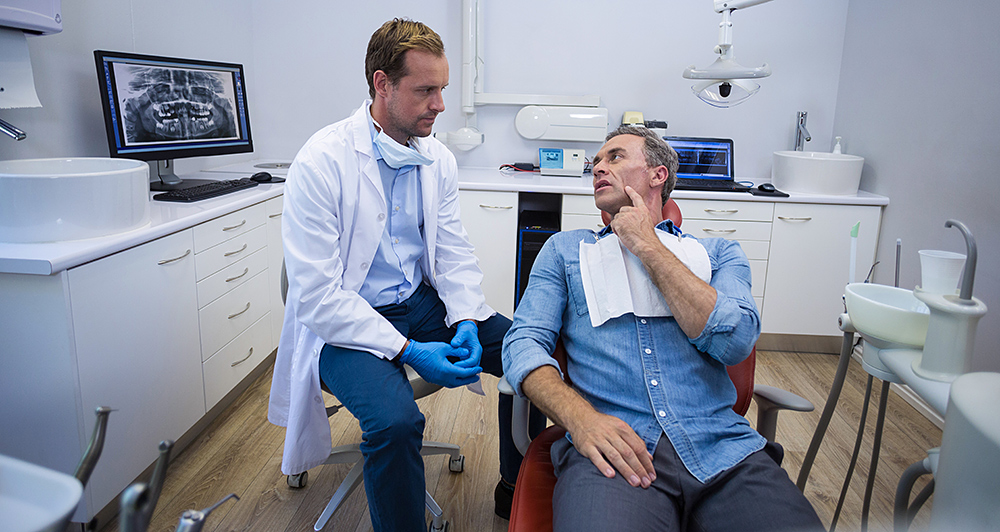
Have you ever woken up with the feeling that your jaw worked all night? As if you had been chewing without stopping. Maybe your mouth feels dry. Maybe there is a dull headache in your temples. Maybe opening your mouth feels tight or slightly uncomfortable.
It is easy to blame these symptoms on stress or poor sleep. In many cases, that seems reasonable. But one possible cause is bruxism, an involuntary clenching or grinding of the teeth during sleep.
Most people never hear themselves grind. A partner may notice it first. In many cases, there is no grinding sound at all. The jaw simply clenches forcefully and silently. That is why the condition often goes unnoticed.
Sometimes the first person to point it out is a dentist who sees accelerated tooth wear that does not match the patient’s age.
What is Bruxism?
Normally, the masticatory muscles develop a strength of about 80-120 kilograms of force (175-265 pounds). With bruxism, the load can increase several times and reach 250-400 kilograms (550-880 pounds).
Bruxism is excessive clenching or rubbing of teeth outside of meals. Teeth are under stress that they are not designed for in everyday life. The disorder can occur at any age, but is more common in people between 25 and 44 years old. In children, episodes of tooth compression are more common and are a variant of the norm, as they pass with age.
Symptoms of Bruxism
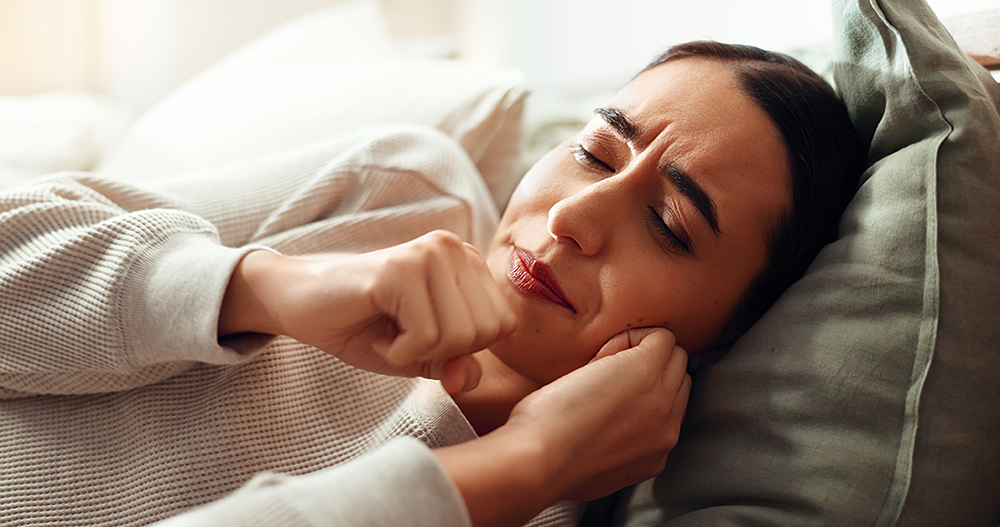
Bruxism does not always cause vivid symptoms. But if you recognize yourself in at least a few points, this is a reason to discuss the situation with a specialist.
- In the morning, my jaw felt tired. It's a little unpleasant to open your mouth. My temples are aching. Your head is heavy, even though you've slept enough.
- Sometimes headaches appear for no apparent reason. It's not the tooth that hurts, but the whole half of the face. Or a feeling that the muscles of the cheeks and temples are overstressed.
- You may notice cheek or lip biting. Lines and teeth marks appear on the mucous membrane. The enamel gradually becomes thinner. The edges of the incisors are smoothed. This is often the first thing the dentist notices.
- Over time, there may be clicks in the jaw when yawning or a feeling that the joint is not working the way it used to.
What Actually Causes Bruxism and What Does Not

Science still cannot point to one single cause of bruxism. Leading professional organizations such as the American Academy of Sleep Medicine and the European Academy of Orofacial Pain describe bruxism as a multifactorial condition. That means several factors may contribute at the same time.
Research links bruxism to sleep disturbances, chronic stress, differences in how the central nervous system regulates muscle activity, certain medications, and other coexisting sleep disorders. In many patients, it is not one trigger but a combination.
For years, dentists focused on bite alignment as a possible cause. Early theories suggested that improper tooth contact during closure triggered grinding. More recent systematic reviews do not confirm a stable cause-and-effect relationship between malocclusion and sleep bruxism.
This distinction is important. An uneven bite can lead to uneven tooth wear. That does not mean the bite itself causes bruxism.
Because of this, orthodontic treatment is not considered a primary therapy for bruxism when the goal is to stop grinding. Bite correction may be recommended for functional or aesthetic reasons, but it is not viewed as a direct solution to nocturnal clenching.
Three Clinical Types of Bruxism and How They Differ
Bruxism is not a single pattern. It presents in different forms depending on when and why the clenching occurs.
- Sleep Bruxism
This is the most common type. It occurs during sleep and is not under conscious control. The person is usually unaware of the episodes.
Sleep bruxism can coexist with other sleep disorders, including obstructive sleep apnea. This form is more likely to cause significant tooth wear because the force is repetitive and prolonged without awareness or muscle relaxation.
- Awake Bruxism
Awake bruxism is typically linked to emotional stress, concentration, or internal tension. The jaw tightens during focused work, anxiety, or strong emotional reactions.
Unlike the sleep form, this type can be managed. Once a person becomes aware of the clenching pattern, they can interrupt it by consciously relaxing the jaw and adjusting posture or breathing.
- Neurological Bruxism
This type is uncommon. It may be associated with certain neurological conditions or be a side effect of specific medications.
In these cases, management involves coordination with a neurologist or psychiatrist. The dental component focuses on protecting teeth, while the underlying neurological factor requires medical supervision.
How Bruxism Is Managed and What Treatment Actually Does
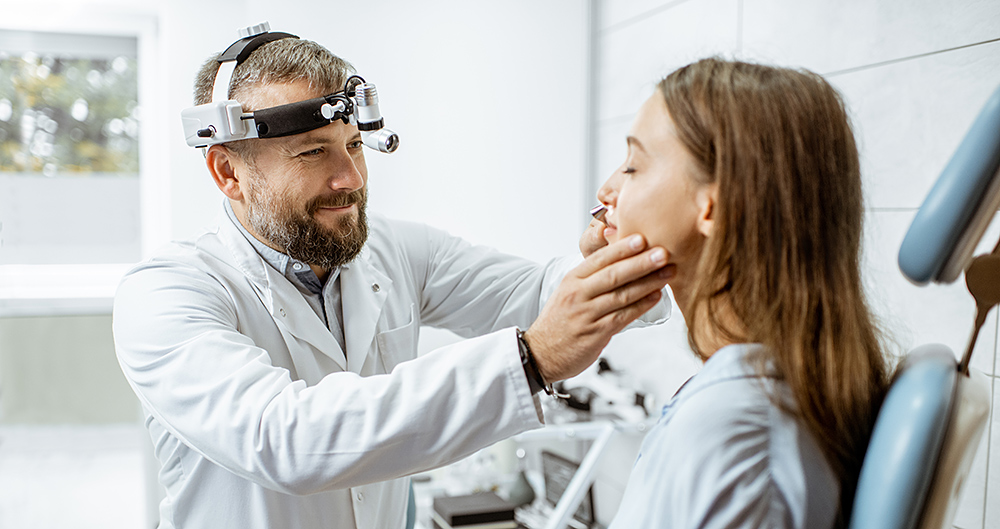
Dentistry is not always the starting point for treatment. Still, dentists are often the first to detect the problem. They may notice that a thirty-year-old patient shows tooth wear more typical of someone ten years older. That pattern raises concern even when the patient has no clear complaints.
Custom Night Guards
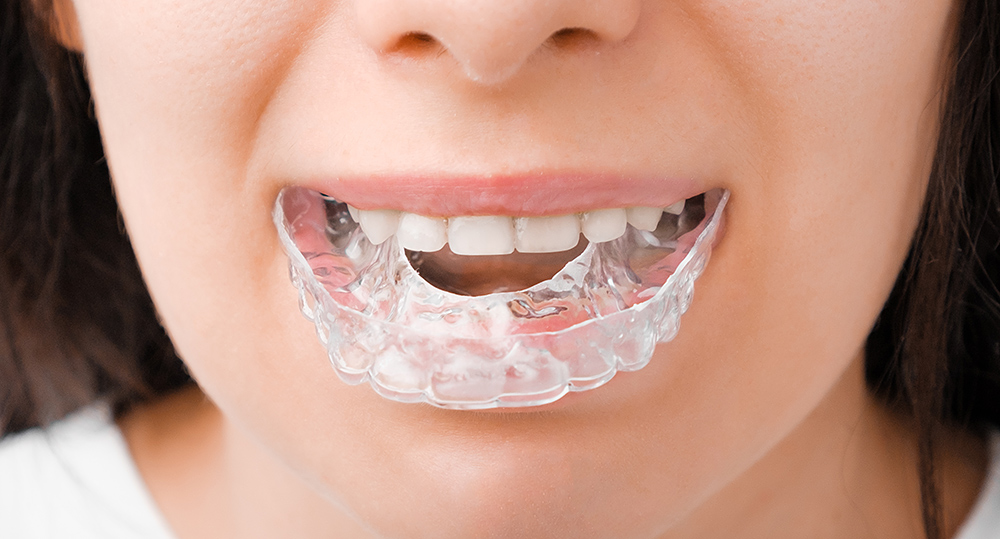
The most common dental approach is a protective night guard. Its primary role is to shield teeth from excessive force and reduce strain on the jaw joint and surrounding muscles. It does not stop bruxism episodes. It limits the damage they cause.
Hard, custom-made guards tend to perform better than soft versions. Soft materials can sometimes trigger stronger clenching because the jaw instinctively presses harder against a compressible surface.
There are also oral appliances designed to reposition the lower jaw and tongue during sleep. These devices are less comfortable and are typically used when bruxism occurs alongside obstructive sleep apnea. In such cases, the goal is both dental protection and airway support.
For awake bruxism, thin and nearly invisible appliances similar to clear aligners may be recommended. They serve as a physical reminder and provide limited protection during periods of daytime tension.
Medication
Medication is rarely the first choice. Bruxism is generally considered a benign condition in many individuals. In some situations, mild clenching may even support airway stability during sleep by maintaining muscle tone. Pharmacologic treatment is reserved for specific cases where symptoms are severe or significantly affect quality of life.
Botulinum Toxin Therapy
Botulinum toxin type A reduces the strength of muscle contractions. Injections into the chewing muscles do not eliminate bruxism episodes, but they decrease the force of clenching. This can lower the risk of tooth damage and muscle pain.
This approach is typically considered in severe cases, especially when bruxism is associated with other motor disorders.
Biofeedback Therapy
Biofeedback uses a device that monitors muscle activity and provides signals when tension increases. The goal is to help patients recognize and interrupt unwanted jaw movements. This method shows more promise for awake bruxism, where conscious control is possible. Its effectiveness for sleep bruxism is still under investigation.
Final Thoughts on Long-Term Management
Bruxism may disappear on its own. Or it may persist for years. For some people, it occurs rarely and has no consequences. For others, it causes constant muscle overload and accelerated tooth wear.
Alcohol, excess caffeine, smoking, stimulants, and chronic stress can increase muscle tension and worsen sleep. Insomnia is the main trigger for bruxism.
Dentistry can help protect your teeth. But lasting results come when a person works on their lifestyle, sleep quality, and stress levels.